
What helps students
flourish
Meaningful learning can do more than develop knowledge and skills. When experiences are purposeful, engaging and enjoyable, they generate positive emotions, strengthen relationships and build confidence.
The right interactions help young people develop resilience, self-awareness and a sense of purpose, while giving them opportunities to exercise autonomy, experience mastery and discover what they are capable of.

Working with schools
Every school has its own context, strengths and aspirations. I work with schools to develop approaches that build on what is already there — whether that means rethinking existing learning, creating new experiences or supporting wider school development.
Well-being can be strengthened through the curriculum already in place. Literature can explore identity, challenge and different perspectives; drama can develop confidence and agency; science can nurture curiosity and wonder; and social studies can open questions about belonging, fairness and how we live together. In primary, stories, creative projects, enquiry and collaborative challenges provide equally rich opportunities.
Sometimes a different approach does work best: a project week, experiential programme, outdoor learning experience or professional learning for teachers. The starting point is always the same — finding practical ways to help students and staff flourish that fit the school's needs, values and aspirations.
The aim is not to add another programme, but to recognise the opportunities for well-being that already exist within what students are learning.
Research-informed practice
My approach draws on the research and practice of leading thinkers in positive psychology, well-being and positive education, including Dr. Itai Ivtzan, Dr. Barbara Fredrickson, Prof. Michael Steger, Dr. Ryan Niemiec, Prof. Lea Waters and Dr. Ilona Boniwell. Their work provides an evidence-informed foundation for understanding what helps people develop well-being, meaning, resilience and the capacity to flourish.
I translate these ideas into practical, meaningful experiences that schools can intentionally use to support the well-being and flourishing of both students and staff.
The examples below illustrate some of the ways I can work with your school.


Embedding Well-being in Everyday Learning
Class teachers explore practical ways to integrate well-being into everyday teaching, learning and reflection so that it becomes a natural part of students' everyday experience of learning rather than an additional programme.

Developing Resilience Through Challenge
Teachers learn how to design and facilitate appropriately challenging experiences in which students can encounter setbacks, reflect on their responses and develop strategies they can transfer to other areas of life.

Creating a Culture of Well-being
School leaders and educators develop a coherent approach to well-being that connects positive emotions, relationships, learning and school culture, helping Positive Education become part of everyday school life rather than an additional programme.
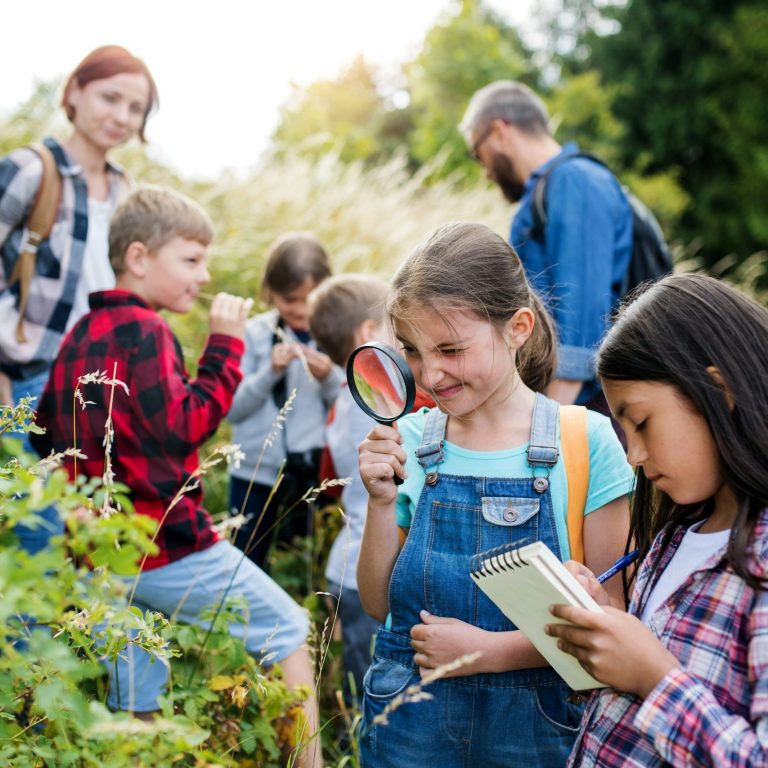
Supporting Student well-being
Teachers develop the knowledge, strategies and confidence to support students' emotional awareness, healthy habits, well-being and ability to manage life's challenges.

Developing Strengths Through Experience
Teachers learn how to identify and develop students' individual and collective strengths through meaningful experiences, helping young people recognise how their strengths can support learning, relationships and personal growth.
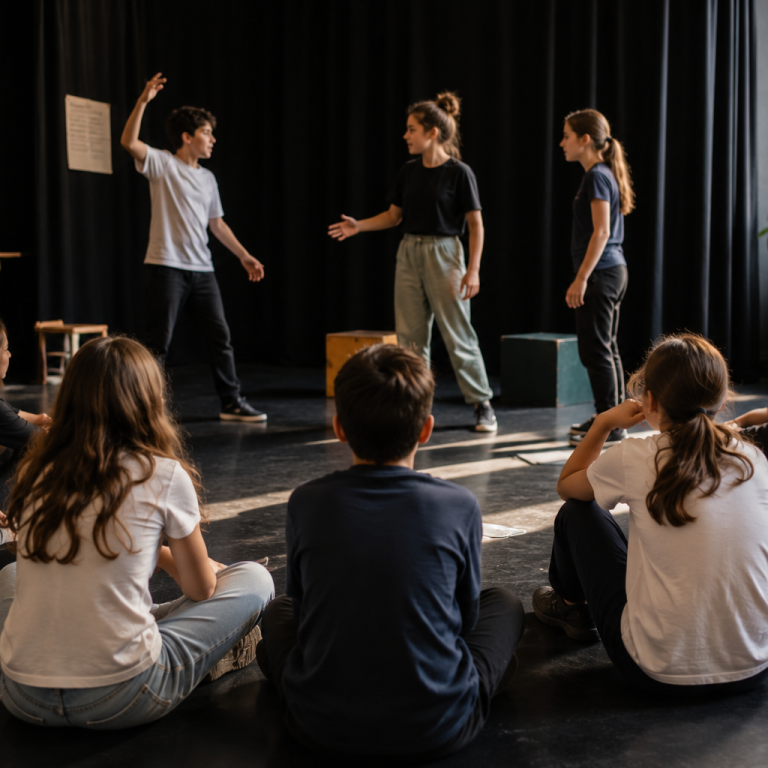
Creating Opportunities for Identity & Self-awareness
Subject teachers explore how to create experiences that help students consider their identity, values and strengths and use these insights to develop a greater sense of purpose, direction, and hope.

Building Stronger Relationships
Homeroom / advisory teachers learn how to use carefully designed experiences to develop trust, communication, collaboration and mutual support, with structured reflection helping students recognise what makes relationships flourish.

Learning Through Meaningful Experience
Teachers develop the skills to design experiences that engage students actively and emotionally, encouraging curiosity, agency and creativity while creating opportunities for wonder and awe.

Strengthening Positive Learning & Engagement
Teachers explore the evidence and theory underpinning Positive Education and how these can inform everyday learning, strengthening engagement, motivation, agency, curiosity and a sense of accomplishment.
Developing Understandings
Developing Strengths
Developing Practices
"Roy was very knowledgeable and provided excellent advice on curriculum development.“
Assistant Principal, Wroclaw International School
Every school has its own context, priorities and aspirations. My role is to help you identify opportunities, develop practical approaches and turn ideas into experiences that work for your students and staff.
If you are considering a new initiative or looking to strengthen what is already in place, I would be pleased to hear from you.